Understanding psychological impacts of gambling on decision-making behavior
The Psychology Behind Gambling Decisions
Gambling is often seen as a simple game of chance, yet the psychological factors driving decision-making are complex and multifaceted. Players frequently engage in cognitive biases that can significantly affect their choices. For instance, the illusion of control leads individuals to believe they can influence the outcome of random events, prompting them to take risks they might otherwise avoid. This cognitive distortion can result in repeated gambling, as individuals feel a false sense of mastery over their decisions. Furthermore, if you’re looking for a new platform to explore, consider velo bet, which offers a variety of gaming options.
Moreover, the concept of loss aversion plays a crucial role in gambling behavior. Research indicates that individuals tend to prefer avoiding losses rather than acquiring equivalent gains. Consequently, gamblers may chase losses by increasing their stakes, hoping to recover previous losses rather than recognizing the futility of their actions. This psychological tendency can create a vicious cycle, leading to more significant financial and emotional distress.
Finally, the social context in which gambling occurs can further influence decision-making. Whether in an online or offline environment, the presence of peers can amplify certain behaviors, such as risk-taking. The desire to fit in or impress others may push individuals to make impulsive choices that they would typically avoid in isolation. Understanding these psychological drivers is essential for comprehending the broader implications of gambling on individual behavior.
The Impact of Online vs. Offline Gambling
With the rise of digital platforms, the landscape of gambling has transformed dramatically. Online gambling offers convenience and accessibility, allowing players to wager from the comfort of their homes. However, this ease can diminish the psychological barriers that typically deter riskier behavior in offline environments. Players may find themselves making impulsive decisions, encouraged by the immediacy of online betting. The lack of physical interaction can lead to diminished accountability and a greater tendency to chase losses.
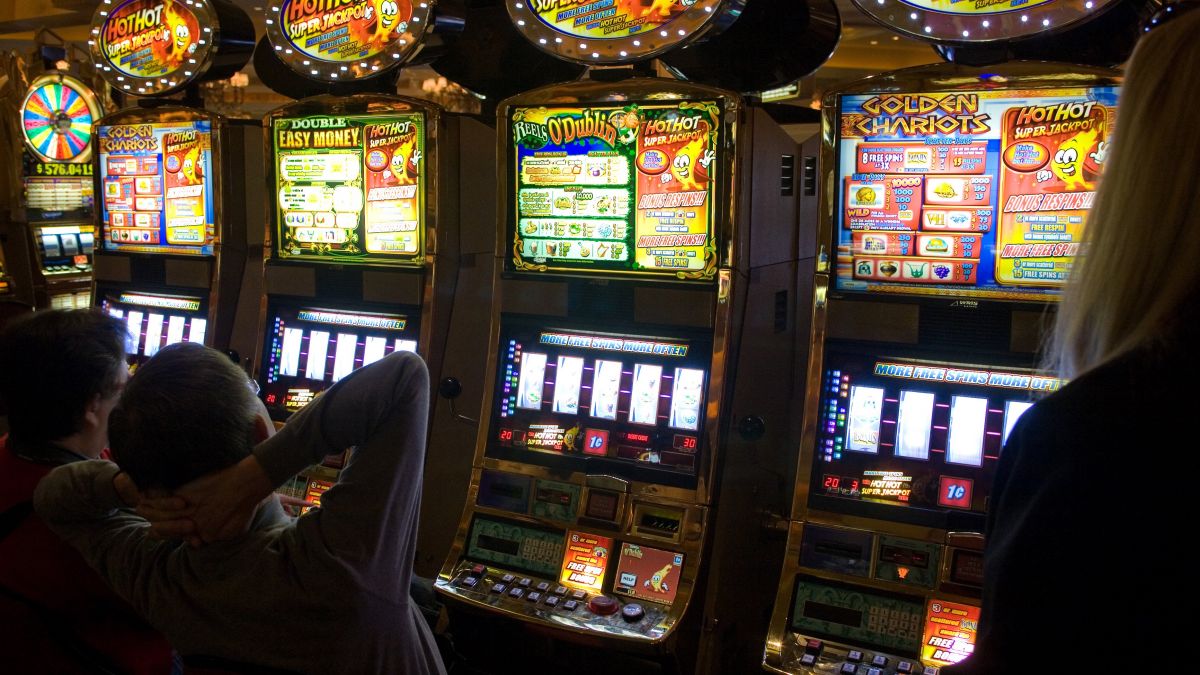
In contrast, offline gambling environments, such as casinos, present a different set of psychological cues. The ambiance is often designed to stimulate excitement, with bright lights and sounds creating a sensory overload. Gamblers in such settings may feel more pressure to conform to social norms, influencing their decision-making. The social interactions can serve as both a motivating factor and a potential source of stress, impacting how individuals assess risks.
Additionally, the difference in feedback mechanisms plays a significant role in decision-making behavior. In offline scenarios, players receive immediate visual and auditory feedback from machines and games, which can heighten emotional responses. In contrast, online gambling may result in a more subdued emotional experience due to the lack of direct interaction. This difference can significantly alter how players perceive risk and reward, shaping their overall gambling habits.
The Role of Emotional Influences in Gambling
Emotions significantly impact decision-making in gambling, often overshadowing rational thought processes. High stakes and potential rewards can evoke intense feelings, leading to impulsive decisions. For instance, when players experience excitement, they may overlook the risks associated with their choices. Conversely, negative emotions, such as anxiety or depression, can drive individuals to gamble as a form of escape, further complicating their decision-making landscape.
The concept of emotional gambling highlights how mood states can lead to varying levels of risk tolerance. For example, someone in a positive emotional state may be more inclined to take risks, believing they are on a winning streak. In contrast, a player feeling down might resort to gambling in hopes of achieving a quick win to alleviate their emotional pain. This interplay of emotions underscores the need for awareness in gambling behavior.
Furthermore, the development of emotional regulation strategies is vital for responsible gambling. Recognizing the connection between emotions and decision-making can empower individuals to make more informed choices. Tools such as self-assessment and mindfulness can help gamblers identify emotional triggers and develop healthier approaches to their gambling activities, ultimately promoting better decision-making.
Long-Term Effects of Gambling on Decision-Making
Engaging in gambling can have long-term psychological effects that extend beyond immediate financial outcomes. Continuous gambling often leads to altered brain functions, particularly in areas associated with reward processing and impulse control. Over time, individuals may become desensitized to risk and develop a skewed perception of probabilities, which can hinder their decision-making capabilities in other areas of life.
Moreover, the financial repercussions of gambling can have lasting effects on a person’s mental health. The stress of debt and financial instability can lead to anxiety, depression, and strained relationships. These compounded psychological pressures can result in impaired decision-making in both personal and professional contexts, as affected individuals struggle to navigate their everyday lives. The repercussions can extend to family and social circles, perpetuating a cycle of poor decision-making.
Additionally, individuals might find themselves stuck in a pattern of gambling due to the cognitive dissonance that arises from their experiences. They may justify their actions and cling to the hope of a future win, making it difficult to break the cycle. This ongoing commitment can cloud judgment, leading to further irrational decisions and worsening mental health outcomes. Recognizing these long-term effects is crucial in understanding the broader implications of gambling behavior.

Responsible Gambling and Support Resources
Understanding the psychological impacts of gambling is essential for fostering a culture of responsible gaming. Platforms like Velobet Casino emphasize safe gambling practices and provide resources for players to manage their gambling behavior effectively. These resources often include tools for self-assessment, deposit limits, and access to support networks, which can aid individuals in making informed decisions.
In addition to offering tools, casinos that prioritize responsible gambling also contribute to increasing awareness about the potential psychological risks associated with gambling. Educational campaigns and materials can help players recognize the signs of problem gambling, encouraging them to seek help if necessary. By promoting a balanced approach to gambling, these platforms can mitigate some adverse psychological effects and empower players to make healthier decisions.
Ultimately, creating an environment that supports responsible gambling can significantly impact decision-making behavior. When players feel supported and educated, they are more likely to engage in mindful gambling practices, reducing the risk of developing harmful habits. By focusing on mental well-being, both players and gaming platforms can contribute to a healthier gambling landscape that prioritizes safety and responsible behavior.